Bird nesting season is here! At Seattle Parks and Recreation, we are doing what we can to support our avian neighbors, and you can too!
Nesting season lasts primarily between April 1 and July 31 for most birds, while some species such as herons, raptors, and hummingbirds can and do nest earlier and later. Whether in our parks or in your yard, there are many ways that we can help these birds thrive even right here in the city.
Bird Nests are protected by law under the Migratory Bird Treaty Act
There are as many as 109 bird species that breed in the City of Seattle. Most birds are federally protected under the Migratory Bird Treaty Act, which protects birds along with their nests, eggs, and feathers. This legislation prohibits intentional or accidental killing or destruction of all native birds and nests. Bird nests are only protected when they contain eggs or young; in our region this is in spring and summer.
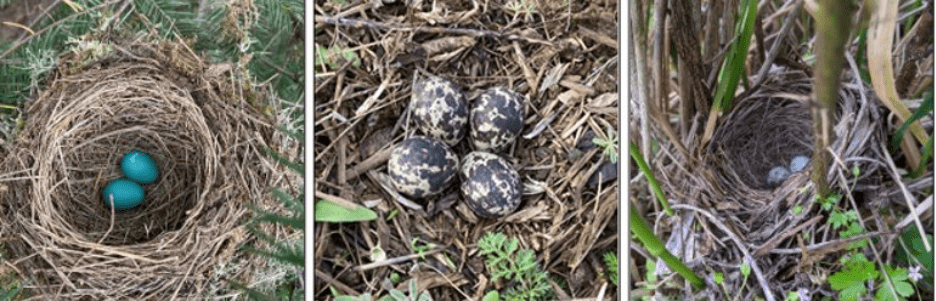
Guide to Spotting Seattle Bird Nests
Unsure of what to look for? Bird nests can be found in many locations, depending on the species. Woodpeckers nest in snags (standing dead trees), while wrens and Spotted towhees nest in logs and even compost piles. Many birds, like towhees, hummingbirds and warblers nest in shrubs, while songbirds and chickadees nest in tree crevices. Robins, finches, and swallow often build nests under building eaves and the killdeer nests right on open gravel.
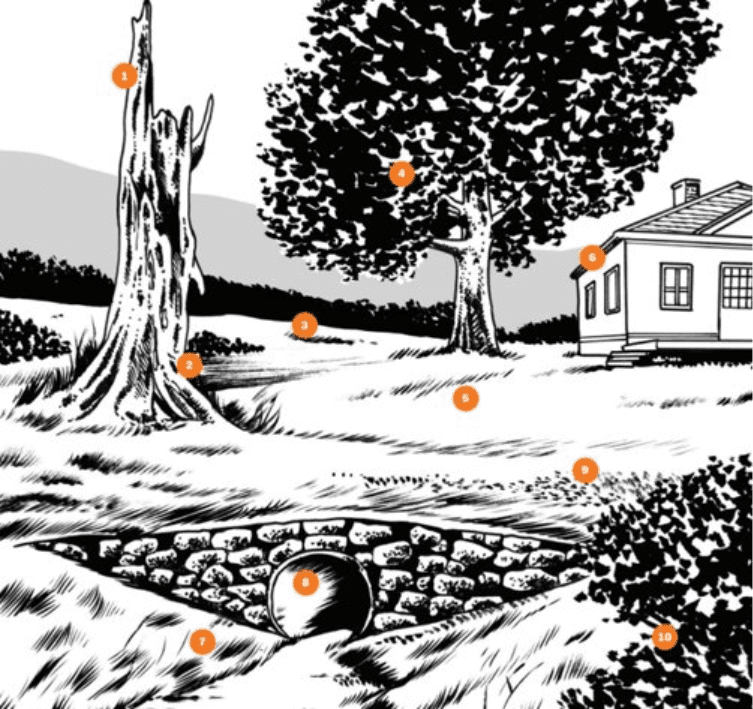
What types of activities disturb bird nests (and should be avoided if possible) during this time?
During the spring and the fall, it is important to be aware of nests (look first!) and avoid certain activities that might harm these birds. Check your lawn and edges before mowing and avoid the use of pesticides. Be cautious when removing vegetation (such as weeding and pruning), modifying structures, and when disturbing the soil. And, if possible, try to leave snags, logs, and other elements that support these species.
If you can, plan disruptive activities during the non-nesting season (August 1 – January 31). If this is not possible, plan to survey for bird nests and phase work around active nests. By doing our part, in our place, we can ensure these vibrant neighbors continue to connect us to nature even in the midst of our urban life.