Written by: Todd Burley
Spring is a magical time of transformation and growth. For many species of birds, it is also a time of heroic flights across thousands of miles to reach their summer homes. Seattle not only hosts many of these migratory birds from May to September, but is also along the route for many that continue their journeys up to the Arctic.
Cornell Lab’s BirdCast dashboard tracks these birds, which often fly under the cover of night. The numbers are staggering – in just one night, May 5, 362,800 birds flew over King County! On a night with a full moon in the spring, you can often look up and see the silhouettes of these avian adventurers, or if you have keen ears, you can hear them as they pass above.
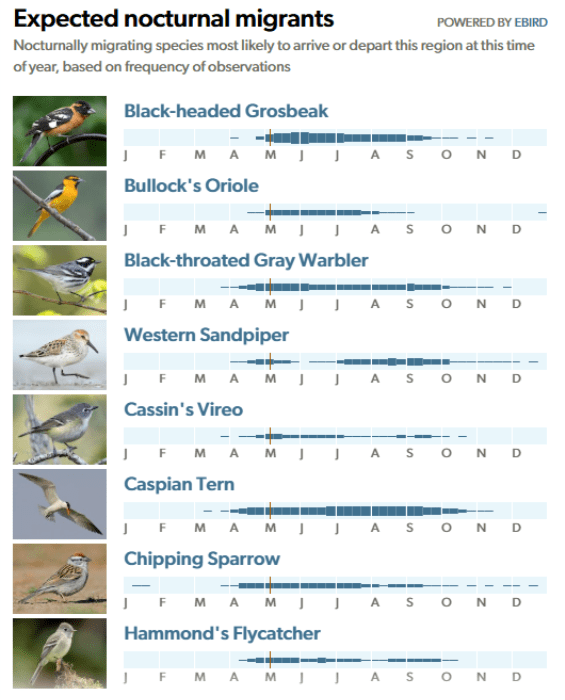
Cities are a particularly challenging place for migratory birds because artificial lights can disorient them, often leading to window collisions that lead to their deaths. This is why such efforts as Lights Out are spreading the word about the importance of turning off unnecessary lights at night between March 1st to June 15.
May 9 is World Migratory Bird Day, also known as the “Big Day,” an international movement highlighting the plight of these birds and the solutions cities can enact to help them thrive. Cornell Lab has a list of 7 Simple Actions to Protect Birds, and the Audubon Society also has a list of helpful actions. These include:
- Make windows visible by placing decals during the day or closing blinds at night.
- Turn off lights where possible between dusk and dawn.
- Keep your cats indoors to avoid predation.
- Plant native plants in your yard and avoid the use of pesticides.
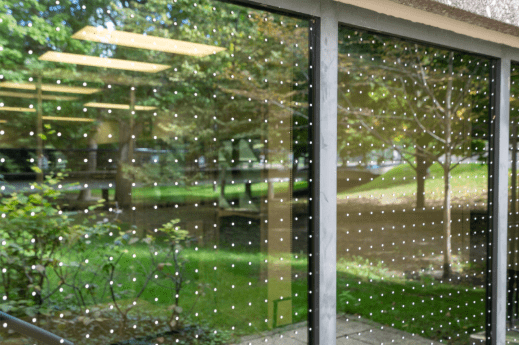
Seattle Parks and Recreation avoids the use of pesticides whenever possible, prioritizes native plants in our parks, and is updating our standards to use lights that limit light pollution. What can you do in your life to help these migratory species along their way?